A global perspective from 4D Studio Architects
The technical requirements of a modern film studio are remarkably consistent wherever it is built. Stage dimensions, acoustic performance, structural loading, servicing requirements, production offices, workshops, circulation and logistics have become international standards expected by production companies operating across the world.
Yet designing successful studios is anything but a standard exercise.
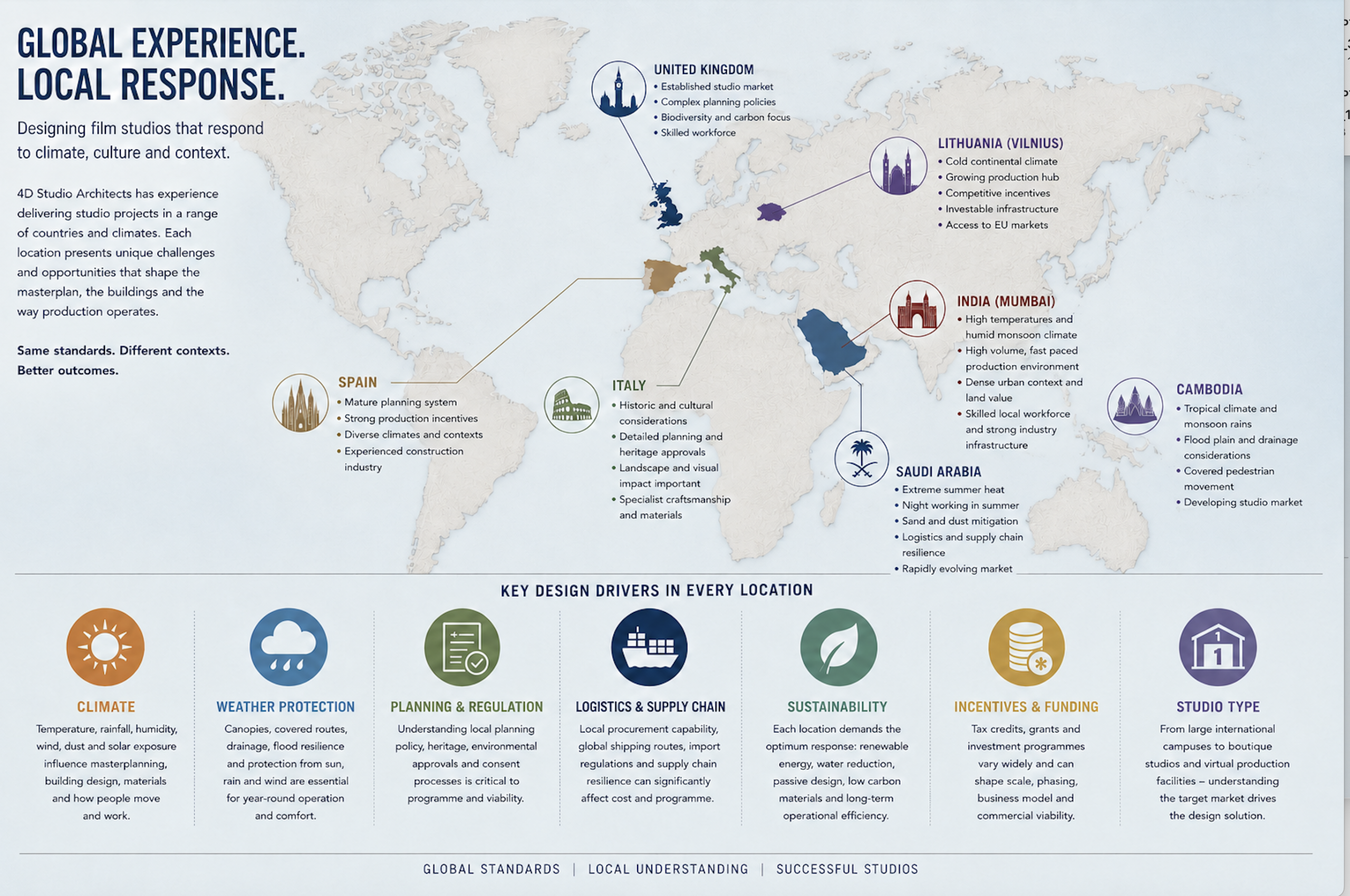
We are film studio architects. At 4D Studio we have worked on studio developments in the United Kingdom, Spain, Italy, Cambodia and the Kingdom of Saudi Arabia. While every project must satisfy the same operational requirements of the film industry, each has demanded a very different response to its climate, planning system, local construction industry and economic environment.
The lesson is simple: successful studio developments respond first to their location.
Climate Shapes Design
Climate influences far more than energy performance. It fundamentally affects how people work, how buildings are used and how production operates throughout the year.
Hot Desert Climates
Projects in Saudi Arabia have demonstrated that extreme summer temperatures influence almost every aspect of planning and design.
Outdoor working may be restricted during the hottest parts of the day, making night-time construction and operations commonplace. Staff welfare therefore becomes a masterplanning issue rather than simply an operational consideration.
Design responses include:
- shaded pedestrian routes between buildings
- minimising walking distances between production functions
- strategically located rehydration points
- landscape that provides cooling without excessive water consumption
- covered external waiting areas
- careful orientation to reduce solar gain
- robust building envelopes capable of withstanding intense heat and ultraviolet exposure.
Windblown sand presents another challenge. Fine airborne particles can damage sophisticated production equipment, affect air quality and increase maintenance requirements. Building entrances, ventilation systems and service yards therefore require careful detailing to reduce sand ingress while maintaining operational efficiency.
Tropical Climates
In South-East Asia the challenge is almost the opposite.
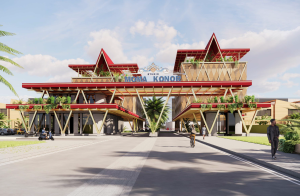
High rainfall, seasonal monsoon conditions and elevated humidity mean that pedestrian circulation often requires extensive covered walkways linking stages, workshops and production offices.
Drainage systems must be designed for intense rainfall events rather than average annual rainfall. Site levels, attenuation and flood resilience become major elements of the masterplan.
Humidity also influences material selection, corrosion protection and building maintenance throughout the life of the development.
Logistics Can Determine Viability
The events of recent years have demonstrated how vulnerable international supply chains can be.

Global shipping disruption, including closures affecting the Suez Canal, has required critical components for some developments to be air freighted to maintain programme certainty.
Design teams therefore need to understand local procurement capability from the outset.
Questions include:
- Which materials can be sourced locally?
- Which specialist components require international procurement?
- How resilient is the supply chain?
- Are alternative specifications available?
- What programme risk does shipping introduce?
These considerations increasingly influence both specification and programme.
Planning Systems Differ Dramatically
Every country has its own planning culture.

In Italy and Spain, planning and heritage considerations can be every bit as influential as the architectural design itself. Environmental approvals, landscape considerations and statutory consultation processes require detailed understanding and careful programming.
In the United Kingdom, planning policy increasingly considers biodiversity, carbon reduction and social value alongside traditional planning issues.
Successful international projects therefore require more than technical expertise. They require an understanding of how local authorities make decisions, how approvals are obtained and how programmes should be structured.
Sustainability Is No Longer Optional
One constant across every country is the drive towards lower carbon development.

Governments, investors, operators and production companies increasingly expect developments to demonstrate measurable environmental performance.
The optimum solution varies according to location.
In some regions the priority may be extensive photovoltaic generation supported by battery storage.
Elsewhere it may be district energy systems, heat recovery, passive cooling, natural ventilation or water conservation.
The objective is always the same: reduce operational carbon while creating resilient, efficient facilities capable of supporting decades of production.
There is no universal sustainability solution.
Climate determines the appropriate response.
Studio Types Continue to Evolve
Not every studio development is intended to compete with Pinewood or Shepperton.
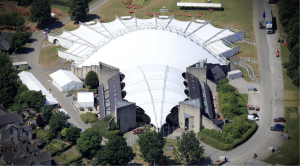
Today’s market includes:
- international production campuses
- regional production centres
- television studios
- virtual production facilities
- mixed-use creative districts
- boutique studios serving local and independent productions.
Each requires different investment levels, different supporting facilities and different commercial strategies.
Understanding the target market is therefore just as important as understanding the building itself.
Incentives Matter
Developers often focus on construction costs, yet financial incentives can be equally influential.
Tax credits, grant funding, regional investment programmes and government support differ significantly between countries and can fundamentally affect the commercial viability of a project.
These factors frequently influence:
- project scale
- delivery programme
- phasing strategy
- investment structure
- operational business model.
The architectural response must therefore be developed alongside a clear understanding of the project’s commercial framework.
Global Knowledge, Local Response
Although every successful studio contains familiar ingredients—sound stages, workshops, production offices, support facilities and efficient logistics—the way those ingredients are assembled is unique to each location.
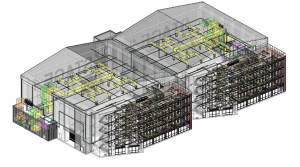
Climate, planning, infrastructure, workforce, logistics, sustainability, regulation and economics all shape the final solution.
That is why film studio design demands more than technical expertise.
It requires international experience, local understanding and an appreciation that every successful studio is a response to the place in which it is built.
At 4D Studio we have been fortunate to contribute to projects across Europe, the Middle East and South-East Asia. Every project has reinforced the same conclusion:
Film studios may operate to global standards, but they should never be designed to a global template.
About 4D Studio
4D Studio Architects advises developers, investors and operators on the planning, design and delivery of film studio developments throughout the United Kingdom and internationally.
Our experience spans production masterplanning, sustainable studio design, operational planning and the creation of integrated production communities that support the future of film and television.